
Infinite Speakers
Laura L. Adams
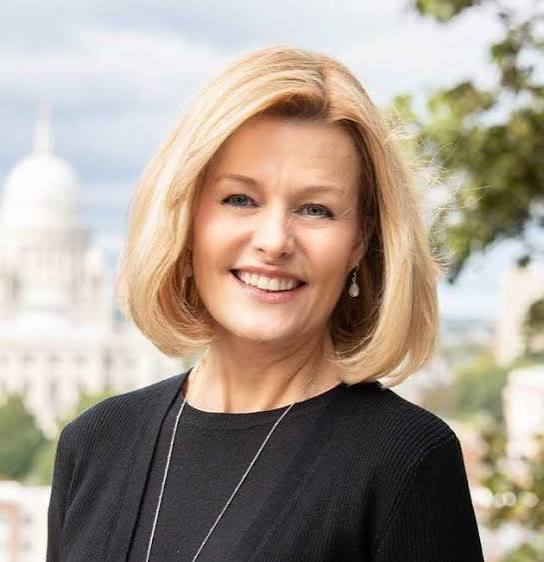
Laura L. Adams is a prominent American digital health expert, healthcare innovation leader, and registered nurse currently serving as a Senior Advisor at the National Academy of Medicine (NAM)
Speaking Topics
Budget
$15,000 – $20,000 + $2,000 flat expenses + hotel
Watch Speaker
Bio
Laura L. Adams, Senior Advisor at the National Academy of Medicine (NAM), leads NAM’s Artificial Intelligence Code of Conduct and the NAM Patient Safety in the Era of AI national initiatives. Laura chairs the Global Opportunities Group for The Centre of Excellence for AI Regulatory Science and Innovation in the UK, and she is a strategic advisor for Inflammatix, a Burlingame, CA-based biotech company specializing in host immune response diagnostics. Her expertise is in AI governance, digital health, and human-centered care.
Laura is a member of the international Expert Panel on Health AI for the Organization of Economic Co-operation and Development (OECD); the Bipartisan Policy Center’s Health Care AI Advisory Panel; and the Consumer Technology Association’s Health AI Planning Council. She is recognized as a strategic leader of large scale multisectoral initiatives with a deep experience in and understanding of the complex U.S. health care industry, including how the components function and interact.
Laura was among the first to bring the science of clinical quality improvement to the Middle East, in conjunction with Donald Berwick, MD and the Harvard Institute for Social and Economic Policy in the Middle East. Prior to her work at the NAM, Laura was founding President and CEO of the Rhode Island Quality Institute (RIQI), a living laboratory for advancing health information exchange. Under her leadership, RIQI won the National Council for Community Behavioral Health Excellence Award for Impact on the opioid crisis. Laura has delivered keynotes in nearly every state in the union and in 14 countries worldwide.
Keynote Topics
Keynote #1 : Resiliency; Burnout; Connection to Purpose
The social fabric of healthcare is torn and it’s impeding our ability to realize the promise of the Quadruple Aim of better health, better patient experiences, lower cost, and joy in work. Many in healthcare are feeling disconnected and isolated amid the cataclysmic changes that healthcare is undergoing. These dizzying forces—such as market disruption by non-healthcare giants, the rapid movement into the digital world, and the relentless focus on measurement—has us questioning all we thought we knew as healthcare professionals and could rely on. This session restores a deep connection to purpose and imparts practical, everyday tools to help providers find meaning in their work, connect more deeply with patients, build personal resiliency, and ultimately achieve better clinical outcomes. Through creating connection at a human, heart level, we can rebuild authentic connections to our patients and each other, and maybe most importantly, to ourselves, so that we’re fully capable of caring for others. Creating this tapestry borne out of human connection heals more deeply and completely than we think possible.
Participants will be able to:
1. Identify major forces putting providers at risk for demoralization, stress, and loss of the sense of purpose
2. Describe the effect of human connection—and lack thereof—in clinicians’ personal and professional lives
3. Employ innovative, practical, and effective approaches that contribute to restoring a sense of connection, purpose, and vitality to those providing care
Keynote #2 : Patient Safety in the Era of Artificial Intelligence
It has been twenty-five years since To Err is Human, the seminal NAM report that catalyzed the national patient safety movement. While progress has been made, there is so much more that can be done to realize the vision of a health system in which no one is harmed by care that is intended to help.
Artificial intelligence (AI) applications bring exciting and potentially transformative new tools to bear on the effort to improve patient safety. AI systems can do such things as analyze the huge amounts of data in EHRs and serve up key insights, predict patient deterioration before it becomes clinically apparent, and provide 24/7 monitoring to prevent patient falls.
AI tools can also reduce the administrative burden on clinical staff, improving their ability to focus on clinically important actions. Additionally, AI is poised to streamline quality measurement, speeding improvement while reducing the cost and burden on staff. While AI holds tremendous promise, it can also introduce new safety concerns, which can be mitigated, if AI is properly governed. This session will explore the hope, the hype, the promise and the peril of AI-enabled patient safety and provide practical strategies and tips for maximizing the benefits and mitigating the risks of deploying AI for patient safety.
Participants will be able to:
1. Describe the progress made since To Err is Human was published
2. Identify AI applications that hold promise to improve patient safety
3. Discuss the risks of the use of AI, including risks associated with the AI models, workflow issues, and over-reliance on technology
4. Apply practical strategies and tips to maximize AI’s potential to improve patient safety and minimize the risks
Keynote #3 : Relationahip Centered Cared
Healthcare professionals are challenged to chart a path forward that focuses on the optimization of health rather than just the treatment of disease. To assure an organization’s ongoing clinical and financial success, rethinking our relationship with patients is imperative. Our oft-stated goal of “engaging the patient” exposes a core belief that we still see ourselves at the center of the healthcare system—that patients should engage with us. This carries great risk in the era of value-based payment models and prevents us from providing the clinically effective and holistic human care to which we all aspire. The key is to engage more deeply in the lives of our patients. This involves more than just what goes on within the walls of the hospital or physician’s office. The best results are coming from activated communities where information flows from many sources and healthcare meets patients where they are. “Come and get it care” is a thing of the past and patient-driven design and delivery are becoming the essential business strategy in healthcare organizations of all sizes and types. When the patient experience guides design, we can create a healthcare system worthy of those who depend on it literally for their lives.
Participants will be able to:
1. Discuss the importance of engaging in the lives of patients and how this differs from the traditional
approach of engaging patients in the delivery system.
2. Discuss the implications of adopting a commitment to community-wide collaboration and assuring that data follows the patient.
3. Describe the relationship between patient stories and “connecting the dots” for the emergence of better,
more creative designs of care delivery.
Call or text Neal at (720) 498 -3275 or email neal@infinitespeakers.com to place a calendar hold or book Laura for your upcoming convention today.