

By Neal Topper, Infinite Speakers Bureau
Quick Guide: How to Select and Book a Future of Work Keynote Speaker
The Strategic Imperative: A true “Future of Work” keynote speaker addresses more than just emerging technology013they connect technological disruption with human workforce transformation. Event organizers should look for speakers who provide actionable strategies on hybrid culture, AI-augmented team productivity, leadership resilience, and employee retention.
1. Human + AI Dynamics
2. Actionable Culture Frameworks
3. Industry-Specific Context
4. Concierge Agency Booking
Booking the right keynote can change an event from informative to memorable013especially when the focus is the future of work, a field that29s constantly shifting with new technology and workplace models. This guide gives event planners clear, actionable steps for finding and securing speakers who speak directly to those changes. We cover practical strategies, the key things to weigh, and the logistics that keep a booking on track, so your session lands with impact and relevance.
Effective Strategies
Start by pinning down what your audience needs to walk away with. When you know which topics and engagement styles resonate294hether inspiration, hands-on tools, or case studies295you can narrow your search quickly. Match speaker expertise to today29s workplace trends and look for presenters who weave interaction into their talks: polls, small-group prompts, and Q&A keep attention and boost retention.
Handled well, speaker selection amplifies your event29s message. If you want help vetting talent, consider partnering with agencies that specialize in pairing planners with speakers who fit specific themes and formats.
Key Considerations

Focus on three practical areas: subject-matter credibility, budget, and logistics. Verify a speaker29s track record on topics like remote work, digital transformation, or leadership in hybrid teams. Build a budget that covers the fee plus travel, lodging, and any AV or materials. Finally, map the logistics294from arrival times to tech checks29so there are no surprises on the day of the event.
Addressing these factors up front reduces risk and helps deliver a smoother attendee experience.
Best Practices
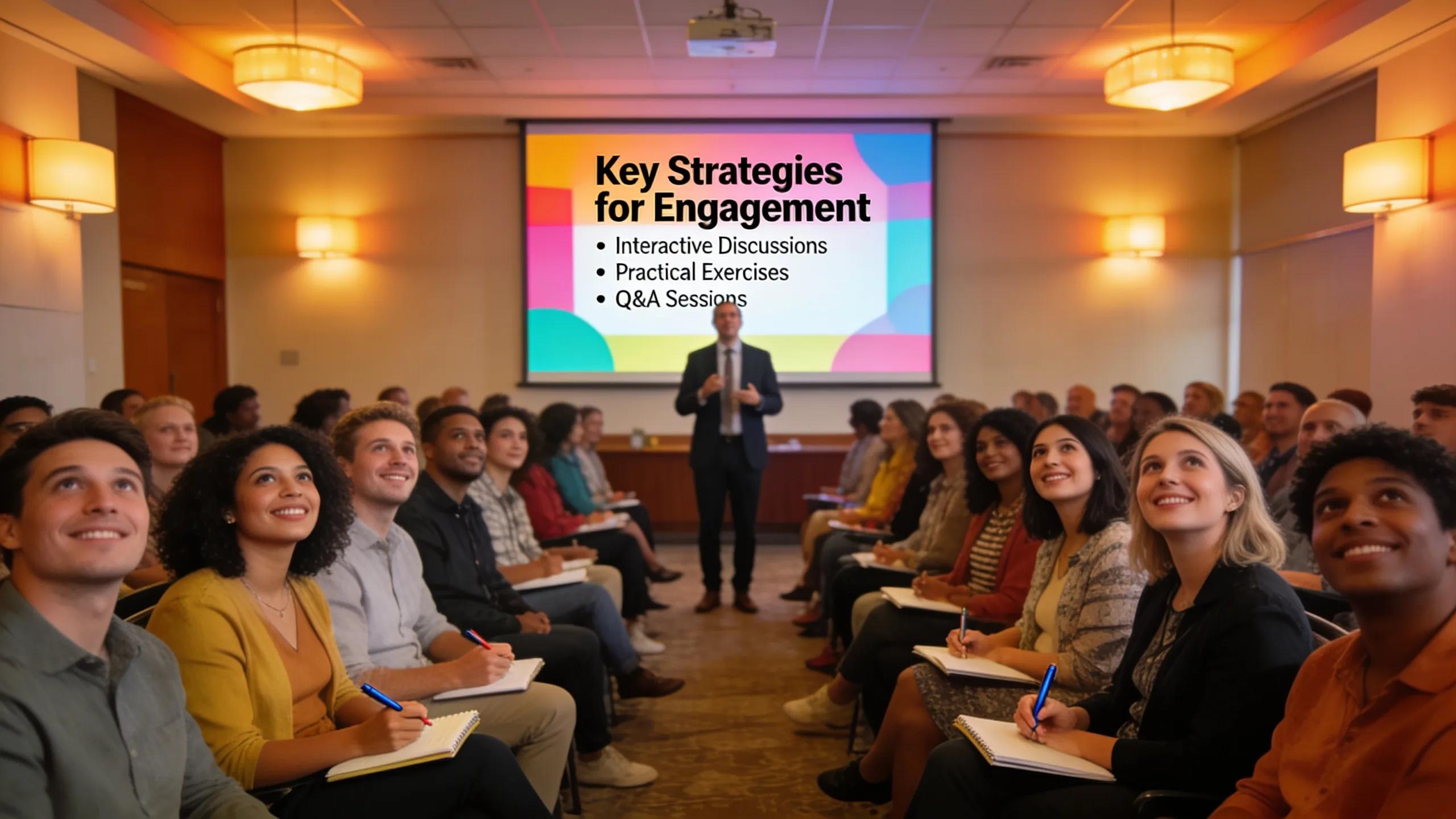
Look at past recordings, reviews, and outcome-focused testimonials to judge a speaker29s style and effectiveness. Where possible, run smaller test events29webinars or intimate roundtables29to confirm fit and refine the brief. And always capture feedback after a session: attendee input is the best guide for future bookings.
These practices make your speaker choices repeatable and reliable, improving outcomes from one event to the next.
What Are the Key Steps in the Future of Work Keynote Speaker Booking Process?
Booking a keynote typically follows three core steps:
- Preparation Steps: Research potential speakers and build a shortlist that aligns with your theme, tone, and attendee profile.
- Selection Criteria: Decide the qualifications, presentation style, and measurable outcomes you expect from the speaker.
- Contract Negotiation: Agree on fees, deliverables, cancellation terms, and timelines so both sides have clear expectations.
Each step helps you secure a speaker who will deliver a focused, memorable session on the future of work.
How to Identify Event Goals and Align Speaker Expertise
Clarify what success looks like before you start outreach. Do you want to inform, spark change, or give leaders practical tools? Define the top takeaways for attendees and map those back to speaker experience29case studies, workshop skills, or research-based insights. The closer the match, the more useful and actionable the session will be for your audience.
This alignment ensures your speaker29s content directly supports your event objectives.
What Is the Typical Timeline and Logistics for Booking Speakers?
Plan ahead to avoid last-minute pressure. Start outreach 2293 months before small- to mid-size events; for high-profile keynote slots, begin earlier. Collect availability and fee ranges, then aim to finalize agreements 4296 weeks before the event so you have time for logistics and promotional copy.
Giving yourself this runway makes confirmations, travel, and rehearsals far easier to manage.
Which Future of Work Keynote Speaker Themes Best Fit Corporate Trends?
Focus on themes that help organizations adapt and lead through change. Common, high-impact topics include:
- Hybrid Formats: Best practices for building productive, inclusive hybrid workplaces.
- Mental Health and Well-Being: Practical approaches to supporting employee resilience and engagement.
- Authentic Leadership: How transparency and empathy are redefining leadership in modern organizations.
Choose speakers who can translate these themes into tangible takeaways for corporate audiences.
What Topics Do Speakers Cover on Work Transformation and Digital Innovation?
Speakers focused on work transformation typically address areas such as:
- Artificial Intelligence and Automation: The real impact of AI on roles, workflows, and decision-making.
- Workplace Culture: Building culture intentionally amid distributed teams and rapid change.
- Leadership and Authenticity: Practical habits leaders use to build trust and psychological safety.
Picking speakers with deep, current experience in these topics gives attendees a clearer roadmap for change.
How Do Speakers Address Remote Work and Hybrid Workplace Models?
Speakers usually break these models down into people, process, and technology: how teams collaborate, how managers measure outcomes, and which tools enable connection and productivity. Expect practical tips for maintaining engagement, designing rituals for inclusion, and using tech to support29not replace29human connection.
These insights help attendees leave with workable steps to improve their own hybrid or remote practices.
How to Evaluate Speaker Profiles and Recommendations for Your Event
Evaluate profiles for relevance, delivery style, and evidence of impact. Watch talk clips, read briefs, and ask for references or outcome metrics from similar events. Look for speakers who adapt content to audience needs and who offer clear examples of results from prior engagements.
A structured evaluation reduces uncertainty and increases the likelihood of a successful match.
What Criteria Should Meeting Planners Use to Choose the Best Keynote Speakers?
When choosing a keynote, prioritize:
- Expertise and Relevance: Does the speaker bring current, applicable knowledge to your theme?
- Audience Demographics: Can the speaker connect with your attendees29 roles, industries, and seniority?
- Engagement Style: Will their delivery and format hold attention and encourage action?
Applying these criteria helps you select a speaker who delivers both insight and energy.
How Can Success Stories and Testimonials Inform Your Speaker Selection?
Success stories and testimonials reveal how a speaker performs in real settings and what outcomes organizers observed. Look for specific examples29changes in attendee behavior, measurable results, or strong post-event feedback29that match your event goals.
Those real-world signals are often the clearest indicator of future performance.
What Are Transparent Pricing Models and Contract Considerations for Booking Keynote Speakers?
Understand the full cost picture: base fee, travel, lodging, AV needs, and any prep or materials fees. Contracts should spell out deliverables, timelines, cancellation policies, and any pre-event prep expected from the speaker or organizer.
Clear pricing and contract terms protect both parties and make collaboration smoother.
How to Understand Pricing Structures for Future of Work Keynote Speakers
Pricing varies by experience, demand, and customization required. Ask for a detailed breakdown and discuss flexibility29sometimes adjusting the scope (shorter talk, virtual appearance, or a panel) can keep costs aligned with your budget. Open conversations about payment terms and deliverables help you find workable options.
Understanding these levers gives you more control during negotiations.
What Contract Elements Ensure Smooth Booking and Event Delivery?
Include clear language on fees, deliverables, timelines, and audience profile in every contract. Add tech requirements, rehearsal expectations, and a point of contact for day-of logistics. When both parties agree on success metrics and responsibilities, the event runs with fewer surprises.
Contracts that prioritize transparency and specifics set the stage for a successful collaboration.