
Selecting Keynote Speakers for High-Performing Teams: 2026 Guide
By Neal Topper, Infinite Speakers Agency Nov 3, 2025
Choosing the right keynote speaker can change the outcome of an association or corporate event especially when your aim is to motivate high-performing teams. This guide gives event planners practical, research-backed strategies to identify speakers who engage audiences and spark measurable improvements in team performance. You’ll find the selection criteria to prioritize, the traits that signal an effective presenter, and reliable methods for assessing impact so your choice aligns with clear event goals. The biggest challenge is navigating a crowded market and ensuring the speaker truly connects with your audience. Below we walk through selection criteria, speaker characteristics, evaluation methods, and best practices to streamline the process.
Research repeatedly shows that well-delivered motivational communication raises engagement and boosts productivity across teams.
Impact of Motivational Speech on Employee Performance
This study explores how leaders’ motivational speech influences employee performance in the public sector, testing whether it boosts motivation and productivity. The findings indicate that when leaders use motivational language effectively, employee morale and performance tend to improve — highlighting motivational speech as a meaningful levers for workplace outcomes.
The Role of Leaders’
Motivational Words in Improving Employee Performance in the Public Sector, S Suprianto, 2024
Essential Criteria for Selection
When choosing a keynote for high-performing teams, focus on a short list of criteria that reliably predict impact and fit.
- Relevant expertise: Look for deep experience in team dynamics, leadership development, or performance improvement — not only theory but demonstrable, applied results.
- Engagement style: The best speakers combine energy with connection: storytelling, clear structure, and techniques that invite audience reflection and participation.
- Measurable outcomes: Prioritize speakers who can show case studies, metrics, or follow-up results that link their presentations to changes in team behavior or performance.
Centering your search on these criteria increases the likelihood the speaker will leave a lasting, practical impact. For hands-on support, Infinite Speakers Agency helps match planners with keynote talent who inspire measurable team performance.
Characteristics of Effective Speakers
Effective keynote speakers share a consistent set of qualities that help them move audiences from insight to action.
Most notably, they create a transformative impact by blending real-world experience with relatable storytelling. They’re adaptable — able to tailor examples, tone, and exercises to different industries and audience makeups — and they draw on diverse perspectives that make their messages more inclusive and relevant.
Available research and practitioner guides point to specific leadership and team-building approaches that top speakers repeatedly use to cultivate high-performing cultures.
Inspirational Leadership for High-Performance Teams
This overview examines practical ways to lead high-performance teams, including hiring methods like “topgrading” (Geoff Smart) and building the right roster of people (“get the right people on the bus,” Jim Collins). It discusses sorting for top talent and creating a culture that motivates, with further reading suggestions from Don Miguel Ruiz (The Four Agreements) and John Maxwell (21 Irrefutable Laws of Leadership). Simon Sinek’s “Start with Why” is cited to help leaders define the core purpose that anchors a superior culture.
How to create high-performing teams, 2010
These characteristics amplify a speaker’s effectiveness and help ensure the event delivers practical value.
Methods for Evaluating Impact

To confirm a speaker will deliver results, use a mix of qualitative and quantitative evaluation methods:
- Review past performances: Watch recordings and read testimonials to judge delivery style, pacing, and relevance to your audience.
- Audience feedback: Look for post-event surveys or Net Promoter Scores that reflect engagement, insight retention, and intent to change behavior.
- Engage with speakers bureaus: Working with agencies such as Infinite Speakers Agency offers curated recommendations and background checks on performance history.
- Trial engagements: When feasible, arrange workshops or smaller sessions to test fit before a mainstage keynote.
- Long-term impact assessment: Track downstream indicators — team metrics, follow-up surveys, or business results — to measure whether the message translated to sustained improvement.
Combining these approaches gives planners the confidence to select speakers who not only perform well on stage but also produce lasting results.
EAV Table: Evaluation Methods for Speakers
Each evaluation method reveals different strengths and limits when judging speaker effectiveness.
This comparison shows how combining methods gives a fuller, more reliable picture of a speaker’s likely impact.
Top Corporate Speakers for Team Performance in 2026
Top speakers in 2026 blend research, practical frameworks, and memorable delivery. They typically have a track record of working with corporate clients, producing measurable outcomes, and adapting messages to diverse audiences. When evaluating candidates, prioritize demonstrable results, relevance to your industry, and a style that matches your audience’s expectations.
The right speaker brings fresh ideas and practical next steps, helping teams leave an event with clear actions to improve collaboration and results.
1. Dr. Ivan Joseph Keynote : Building a High Performance Team
2.Robyn Benincasa : Keynote : T.E.A.M.W.O.R.K : The 8 Essential Elements of a Team Culture
3. Heather Younger : Keynote : The Unshakable Team : Navigate high-stress situations, build trust, and overcome setbacks without losing focus
4. Alan Stein Jr. : Keynote : Raise Our Game : How to Increase Organizational Performance, Communication, and Cohesion
5. Anton Gunn : Keynote : Build To Belong : How Inclusive Cultures Drive Innovation and Impact
These speakers not only bring valuable insights but also have the ability to connect with diverse audiences, making them ideal choices for association andcorporate events.
What Are the Key Expertise Areas of Leading Team Leadership Conference Speakers?
Leading conference speakers commonly focus on a few core domains:
- Leadership development: Building the skills and mindsets leaders need to inspire and sustain high performance.
- Team dynamics: Techniques for improving collaboration, communication, and role clarity within teams.
- Corporate culture transformation: Strategies for shifting norms, incentives, and behaviors to support long-term engagement and productivity.
Experts in these areas help organizations navigate both immediate team issues and broader cultural change.
Keynote Speakers for Corporate Cultural Transformation
When organizations face the challenge of cultural change, speakers like John Mattone are frequently cited for their engaging delivery and executive-level insight.
Cultural Transformations: Lessons of Leadership and Corporate Reinvention, 2016
These expertise areas are central to speakers aiming to move teams from good to exceptional.
How Do Speaker Profiles Demonstrate Proven Impact on Team Dynamics?
Speaker profiles should include concrete examples: client case studies, before-and-after metrics, workshop outcomes, and testimonials that speak to changes in team behavior. Cross-industry experience adds credibility, showing a speaker can translate ideas to different organizational contexts and drive practical results.
How Can Event Planners Optimize the Selection Process for Keynote Speakers at Corporate Events?
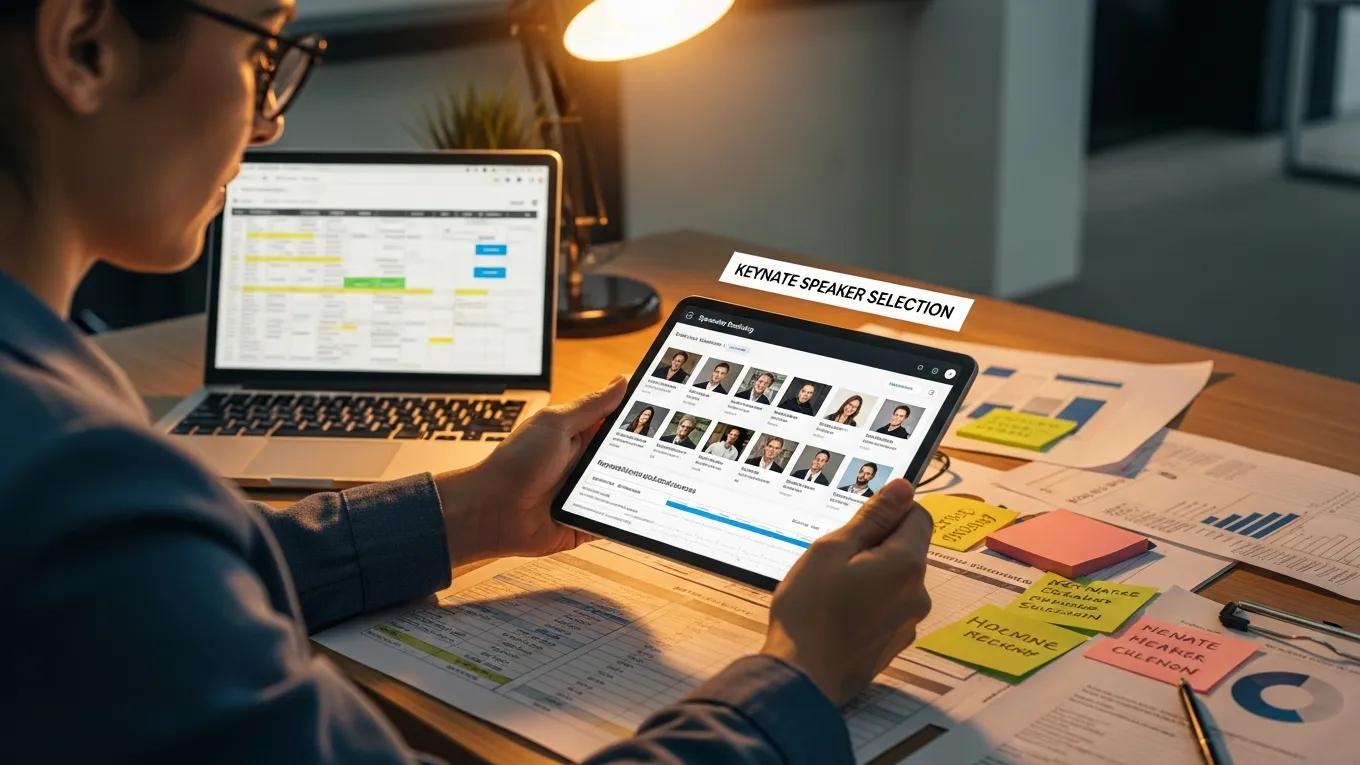
To streamline selection and improve outcomes, use these strategies:
- Understand audience needs: Use surveys, stakeholder interviews, or focus groups to define audience priorities and pain points.
- Review past performances: Vet videos, session outlines, and references to verify fit and effectiveness.
- Engage with speaker bureaus: Partner with agencies to surface vetted candidates and negotiate terms that match your objectives.
Applying these steps reduces risk and increases the chance your keynote will resonate and drive action.
What Are the Best Practices for Matching Speakers to Event Goals?
Aligning a speaker to your goals involves clear preparation and disciplined evaluation:
- Understand audience needs: Define what attendees should know, feel, or do after the session.
- Define event goals: Set measurable objectives that guide speaker selection and briefing.
- Evaluate speaker performance: Use recordings, references, and sample content to confirm the speaker can meet your objectives.
Following these practices helps ensure the speaker you hire contributes directly to your event’s intended outcomes.
Which Tools and Criteria Enhance Effective Speaker Selection?
Use a combination of tools and criteria to make more informed choices:
- Understand audience needs: Deploy pre-event surveys or interviews to gather input on expectations and priorities.
- Evaluate speaker performance: Rely on metrics, testimonials, and recorded sessions to judge content quality and delivery.
- Leverage technology: Use online platforms to research, compare, and shortlist speakers efficiently.
These tools reduce guesswork and help you select speakers who are both compelling and relevant.
What Are the Typical Pricing Structures and Booking Procedures for High-Performing Team Speakers?
Speaker fees and booking processes vary, but several patterns are common. Fees depend on experience, reputation, and the scope of the engagement. Booking usually begins with an inquiry and availability check, followed by a proposal, negotiation of terms, and a signed contract. Budget for travel, materials, and any customization or pre-event consulting the speaker provides.
How Do Speaking Fees Vary by Expertise and Event Type?
Fees typically differ based on these factors:
- Expertise level: High-demand speakers with proven corporate impact command higher fees.
- Event type: Corporate conventions often budget differently than nonprofit or academic events.
- Negotiation potential: Fees can be negotiated based on timing, format, and additional services.
Understanding these variables helps planners set realistic budgets and expectations.
What Steps Should Event Planners Follow to Secure Top Keynote Speakers?
Follow a clear process to book top talent:
- Understand audience needs: Establish what attendees should take away from the session.
- Evaluate speaker performance: Shortlist candidates using videos, references, and case studies.
- Build a diverse lineup: Consider a range of voices and styles to engage different segments of your audience.
Adhering to this sequence increases your chances of securing a speaker who delivers meaningful, actionable outcomes for your event.
Call or text Neal at (720)498-3275 or email neal@infinitespeakers.com to schedule a discovery video conference or phone call with the speaker(s) of interest.