
Cultivating Belonging: Fostering Lasting Member Loyalty
By Neal Topper, Infinite Speakers Agency August 13, 2026
You know that quiet moment right after the last attendee hands in their badge, the buzz of a paper-perfect conference fading into silence. Yet, despite flawless schedules and packed agendas, what often lingers is a question that keeps event leaders awake: how well did we really connect? Behind every polished session and keynote is the true test—the member’s loyalty and whether they come back, feeling more than just informed, but truly belonged. In this article, we’ll take a warm, friendly stroll through the ways event leaders can build lasting loyalty by weaving genuine connection into every moment.
You’ve likely felt it yourself, sitting in the closing session of an event, running a mental tally: Did people leave with new friends, or just new swag? Did they walk out inspired to return next year, or simply relieved the agenda is over? That gap between a well-run event and a truly belonging-centered one is where member loyalty is won or lost. The good news is that closing that gap doesn’t require a bigger budget or a flashier venue—it requires intention, and a willingness to design for connection as deliberately as you design for content.
1. The Kitchen Table vs. The Notification Bell
Think of your favorite comfort food—something homemade, warm, and inviting. That’s the kitchen table, where stories unfold and bonds deepen naturally. Now, compare that to the cold ding of your phone’s notification bell: instant but fleeting, digital yet disconnected. Algorithms may predict interests and push content, but they cannot cook comfort food or create the kind of deep warmth that real human interaction provides.
Event leaders must remember that while digital tools can enhance reach and convenience, they cannot replace the richness of face-to-face connection. The magic of belonging comes from moments shared over coffee, impromptu conversations, and the laughter around the kitchen table. That’s the heart of member loyalty.
Consider how you use technology before, during, and after your events. Registration platforms, mobile apps, and social feeds all have their place—they get people in the door and keep the conversation going once everyone has gone home. But they should serve as the on-ramp to real connection, not a substitute for it. When you find yourself leaning on a push notification to do the work a genuine invitation should do, that’s a sign to step back and ask what the kitchen-table version of that moment could look like instead.
2. The Great Isolation: Why Your Members Are So Hungry for Real Connection
Picture an annual conference as a campfire on a chilly night. It’s more than just light and warmth; it’s where stories are told, friendships spark, and strangers become comrades. After long stretches of isolation—whether due to remote work, social restrictions, or personal distance—members crave these campfires more than ever.
This hunger isn’t just about networking; it’s about finding a human heartbeat in a world that increasingly feels digital and distant. Event leaders bring these campfires alive, creating spaces where members can gather, share their stories, and ignite a shared spirit that feeds belonging.
You may notice this hunger showing up in small ways: attendees lingering long after a session ends, reluctant to head to the next thing on the agenda, or a hallway conversation that quietly outlasts the scheduled break. Those are not distractions from your event—they are the event working exactly as it should. The busier and more digitally saturated your members’ everyday lives become, the more valuable an unhurried, in-person conversation feels. Recognizing that hunger, and building room for it into your schedule, is one of the simplest ways to turn attendees into loyal, returning members.
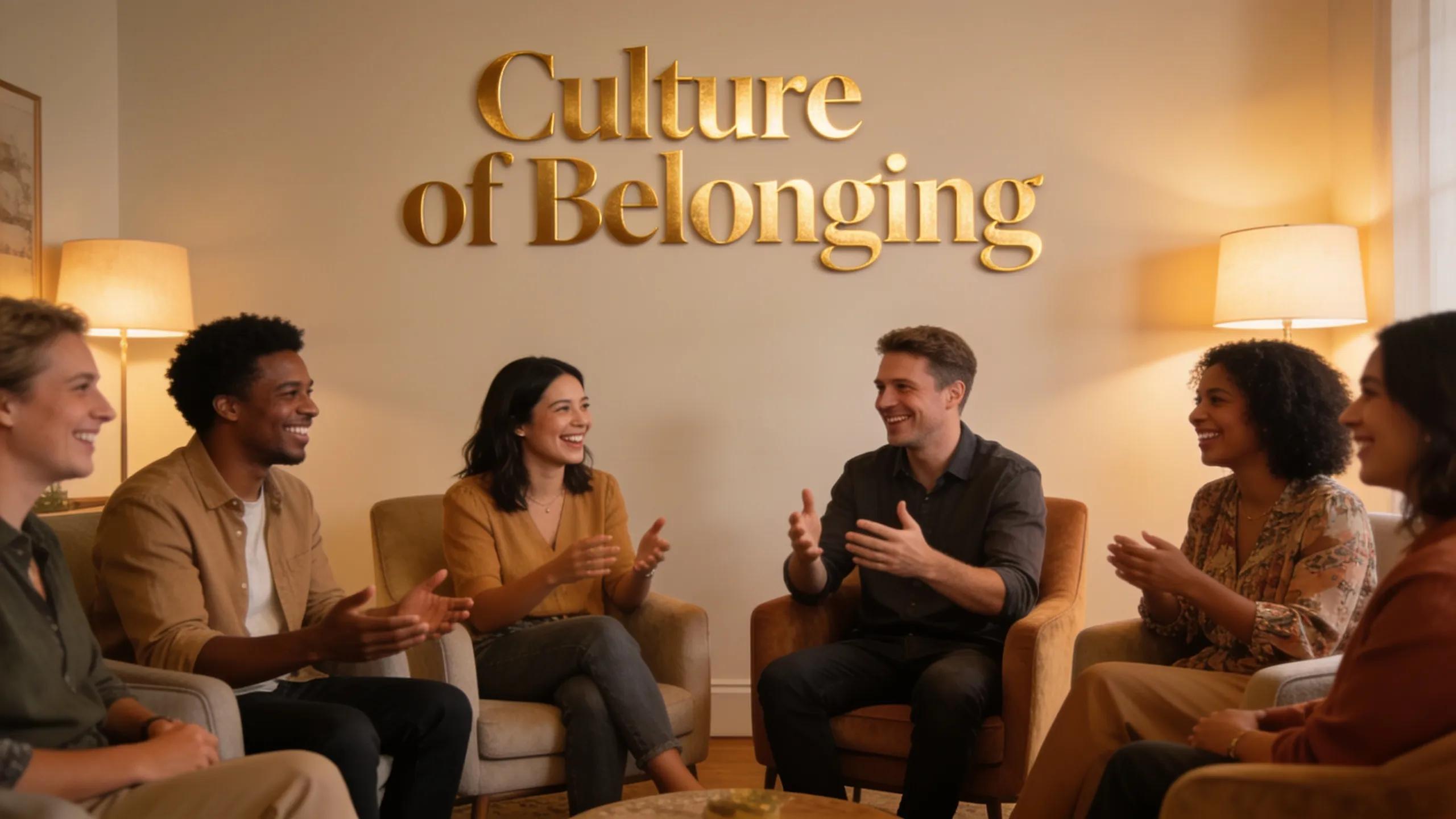
3. What Does a ‘Culture of Belonging’ Actually Look Like on the Ground?
Building this culture takes more than just good intentions; it’s about creating spaces where masks come off, and psychological safety reigns.
- Psychological Safety/Dropping the Mask: Members must feel safe to be themselves, free from judgment or exclusion. When people can drop their professional façades and show up authentically, real connections blossom.
- Shared Identity ‘Me to We’: It’s about shifting the focus from individual agendas to a collective story—where members see themselves as part of something bigger than just transactions.
- Peer-to-Peer Ownership: When members take active roles in shaping events and conversations, they move from passive attendees to engaged owners, deepening their sense of belonging and loyalty.
That’s what belonging looks like on the ground—safe, shared, and owned together.
You can see this culture take shape in the small rituals that repeat from event to event: a welcome circle where newcomers are introduced by a returning member, a shared meal with no assigned seating, or a closing reflection where attendees speak instead of just listen. None of these require a large production budget—they require you to treat connection as a design principle, not an afterthought squeezed between sessions. Over time, these rituals become part of your community’s identity, something members describe to colleagues who’ve never attended: “It’s just different there. You actually feel like you belong.”
4. How to Select Keynote Speakers Who Spark Real Human Connection
Keynote speakers can light the fire or dampen it. Here’s how to choose speakers who truly connect:
- Stories as Mirrors, Not Trophies: Choose speakers who share stories members see themselves in—not just boastful achievements. These reflections build empathy and understanding.
- Breaking the Expert Wall: Avoid speakers who create distance with jargon or unrelatable expertise. Look for those who invite dialogue and acknowledge shared journeys.
- Immediate Peer Interaction: Incorporate moments where attendees interact right after the speech, making abstract messages personal and actionable.
- Focusing on the ‘Third Mile’: Speakers should inspire action beyond the event—the third mile where commitment turns into daily practice and deeper member loyalty.
When you’re vetting a potential keynote speaker, ask to see footage of them handling a Q&A, not just their polished stage segment—that’s where you’ll see whether they can meet an audience as equals or whether they retreat into rehearsed answers. It’s also worth asking past event hosts a simple question: did attendees keep talking about the speaker’s ideas days later, or did the buzz fade the moment the session ended? A speaker who sparks real human connection leaves your members with something to carry home and share, not just something to applaud.
5. Simple Event Design Tweaks That Build Face-to-Face Trust
Small changes can make big impacts:
- Small Conversational Nooks: Design intimate spaces that invite spontaneous, meaningful chats away from the crowd.
- Story Starters: Provide prompts or cards that encourage members to share personal stories and insights, sparking authentic dialogue.
- Peer-Led Table Talks: Empower members to lead discussions on topics they care about, strengthening peer connection and ownership.
These tweaks transform events from scripted programs into living conversations, nurturing belonging one interaction at a time.
Beyond the physical layout, think about pacing. A schedule packed wall-to-wall with sessions leaves no room for the unplanned conversations that build trust—so build in generous breaks, longer meals, and at least one activity with no clear “output” beyond people getting to know each other. You might also consider a simple buddy system that pairs first-time attendees with returning members, or a shared community board where people can post what they’re hoping to learn or who they’re hoping to meet. Each of these tweaks costs little, but together they signal to your members that connection isn’t an accident here—it’s the point.
6. Measuring Real Success: The Ripple Effect That Outlasts the Event
Success isn’t just attendance or satisfaction scores; it’s the ripple effect that carries beyond the event’s end.
Look for signs like new friendships forming, increased member participation in activities, referrals to new members, and follow-up engagements. Qualitative feedback through stories and testimonials often reveals more than numbers can. These are the real measures of a culture of belonging—lasting loyalty born from genuine connection.
It’s worth building a simple habit of checking in on these ripple effects rather than letting them go unnoticed. A short follow-up survey a few weeks after the event, a look at how many attendees reconnect in your online community, or a quick note asking members what they remember most—these small checks tell you far more about your event’s true impact than a satisfaction score collected on the last day. When members start organizing their own meetups between your official events, or when they bring a colleague along “because they have to see this for themselves,” you’ll know the culture of belonging you’ve built has taken on a life of its own.
7. Frequently Asked Questions for Conference Planners
Bringing It All Home
Building a culture of belonging is like tending a garden—it requires patience, nurture, and the right environment. Event leaders hold the keys to creating spaces where members don’t just attend, but come home; where connection isn’t just talked about, but deeply felt. From the warmth of the kitchen table to the flicker of the campfire, it is these real human moments that spark lasting member loyalty. With thoughtful speakers, purposeful design, and heartfelt engagement, your next event can be more than memorable—it can be transformative.
The work doesn’t end when the doors close and the badges come off. Every design choice, every speaker you invite, every small nook you carve out for conversation is a vote for the kind of community you want to build. Keep asking the question that matters most—not “did they attend?” but “did they belong?”—and you’ll find that member loyalty stops being something you chase and starts being something your members bring back to you, event after event.
Call or text Neal Topper at (720)498-3275 or email neal@infinitespeakers.com to schedule a discovery call to learn more about your organization and discuss Keynote Speaker ideas and recommendations.