
Leveraging AI to Reduce Workplace Friction and Prevent Burnout

By Neal Topper — Infinite Speakers Agency June 18, 2026
Workplaces are changing fast. Artificial intelligence has moved out of research labs and into everyday workflows, helping teams work smarter, not just harder. In this piece, we look at practical AI tools that cut operational friction and help prevent employee burnout
These are two top priorities for organizations that want sustainable performance.
We’ll cover AI-driven productivity solutions that clear common bottlenecks, show how agentic AI works through concrete examples, and explore where automation and wellbeing programs intersect. We’ll also review AI approaches for spotting early signs of fatigue and summarize the evidence linking these tools to healthier, more resilient teams.
Which AI Productivity Tools Actually Reduce Workflow Friction?
Organizations focused on efficiency and employee experience are turning to AI to remove repetitive, time-consuming tasks. The best tools surface friction points and automate routine work so people can concentrate on higher value activities including strategy, problem-solving, and creativity.
Automation delivers multiple benefits: fewer manual errors, faster task completion, and often better quality. Those gains translate into less stress for employees tied to tedious workloads and more time for meaningful work—an important buffer against burnout.
How do agentic AI systems streamline task automation at work?
Agentic AI goes beyond basic automation by actively managing and optimizing workflows. These systems use machine learning and predictive analytics to detect patterns, map processes, and identify where automation yields the most impact. They don’t just follow instructions; they propose automations, adapt flows as conditions change, and flag trouble spots before they escalate.
For example, an agentic system might notice repeated delays in approval chains and suggest automatic nudges or routing changes to speed permissions. In customer service, agentic chatbots can triage requests, resolve routine issues, and escalate complex cases to humans improving response times and letting staff focus on higher-stakes work.
Which AI driven tools optimize workflows?
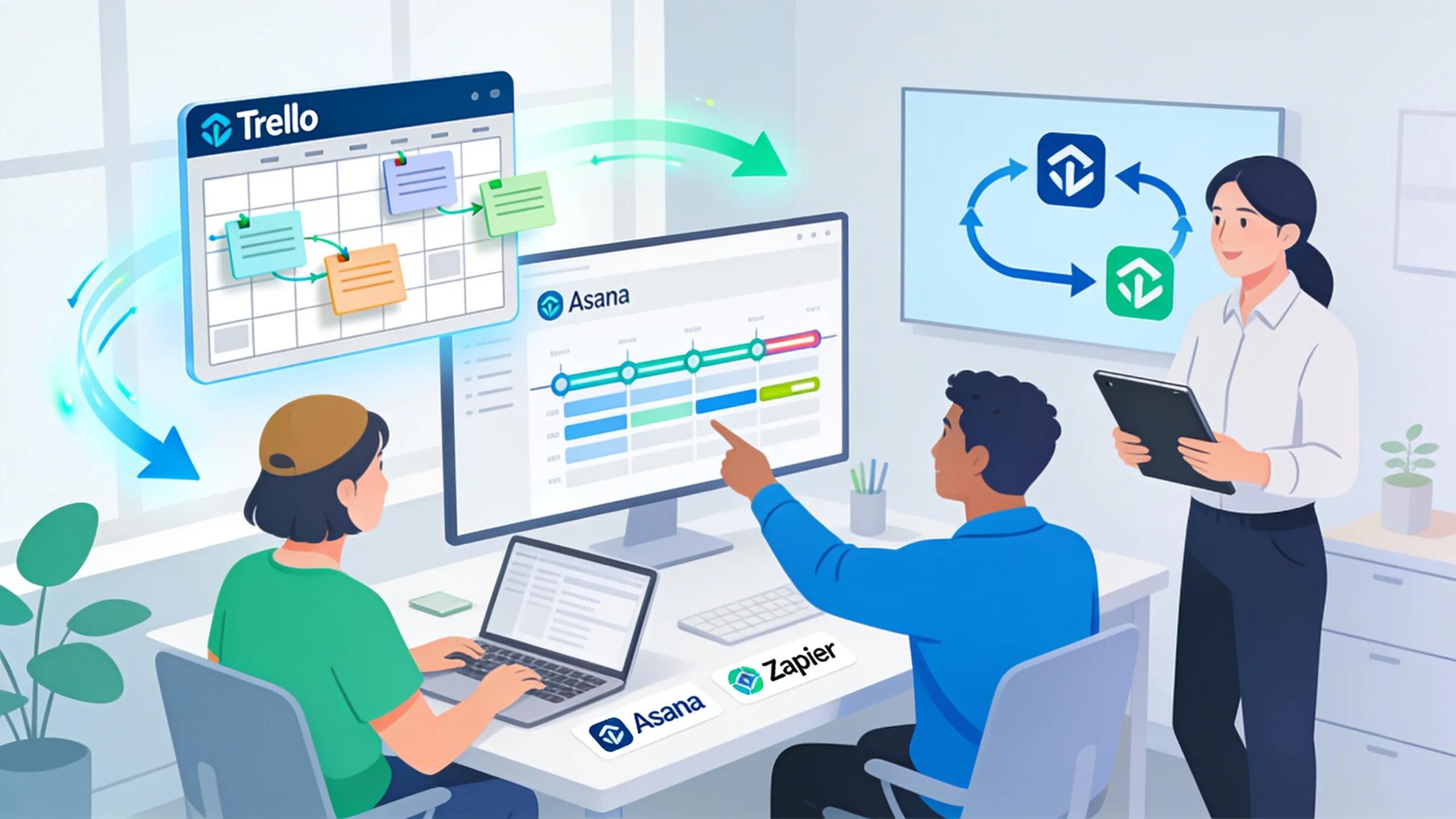
Today’s market offers a wide range of AI enabled platforms designed to simplify collaboration and speed up task management. Below are three widely used examples that illustrate common approaches:
- Trello: A visual project board enhanced by AI that spots potential schedule risks, suggests resource shifts, and surfaces insights from past project data helping teams anticipate and avoid delays.
- Asana: More than task lists, Asana adds workflow automation assigning tasks, triggering reminders, and routing work to the right people—so projects keep moving without manual follow-ups.
- Zapier: A no code automation layer that links disparate apps and automates handoffs. Zapier removes repetitive copy-and-paste work by moving data and triggering actions across platforms automatically.
When implemented thoughtfully, these solutions reduce administrative overhead, raise engagement by removing tedious work, and let employees focus on the parts of their jobs that matter most—key steps toward lowering burnout risk.
How can AI-driven burnout prevention improve workplace wellbeing?
Burnout persists because many roles demand long hours, constant connectivity, and heavy workloads. Organizations are increasingly using AI as a tool in wellbeing strategies to detect early signs of strain and enable timely, tailored interventions.
These systems analyze signals such as communication patterns, calendar density, task loads, and, where appropriate and consensual, biometric cues to identify stress indicators. The insights help managers and HR teams respond with workload adjustments, targeted support, or resources customized to individual needs.
Crucially, combining AI with human centered care and strict privacy controls ensures the technology supports employees rather than surveils them. That balance is essential to build trust and encourage meaningful use of these tools.
AI-Based Mental Health Support for Reducing Workplace Burnout
A growing body of research shows that AI-driven mental health tools can improve early detection and personalize interventions for workplace burnout, yielding better employee wellbeing and organizational performance. Ethical AI design, strong governance, robust privacy protections, and ongoing human oversight are vital to their success. Early results are promising, but longer-term, cross-sector studies are needed to confirm sustained effects. Thoughtful integration of technology with evidence-based psychological support offers a constructive path for addressing workplace mental health.
AI-Based Mental Health Support Systems for Reducing Workplace Burnout, S Patnaik, 2025
Which AI techniques detect and address workplace fatigue?
Several AI approaches help spot and mitigate fatigue risks. Machine learning models can flag workload imbalances and behavioral shifts. Real-time indicators like changes in typing cadence, software usage patterns, or reduced responsiveness can trigger automated prompts to take breaks or reprioritize tasks.
Natural language processing applied to internal messages and feedback enables sentiment analysis that may reveal dips in morale or engagement. Combining these signals allows organizations to design targeted, proactive interventions that reduce the likelihood of burnout before it becomes entrenched.
What evidence supports AI in lowering professional burnout?

Research and case studies show tangible benefits when organizations pair AI analytics with timely support: faster recognition of burnout risk, more effective workload redistribution, and improved access to wellness resources.
Teams that adopt these tools often report lower stress levels and fewer burnout episodes. In several studies, early detection of fatigue was a key factor in better work-life balance. Companies that integrate supportive technology thoughtfully tend to see higher retention, better employee satisfaction, and a stronger culture of care.
Beyond metrics, employees value employers who invest in smart, empathetic systems that help them stay healthy and productive over the long term.
Optimizing Event Planning Workflows Through AI Automation
Event planning requires juggling schedules, budgets, registrations, vendors, and logistics—repetitive tasks that consume time and mental energy. Those pressures make planners vulnerable to stress and burnout, especially on tight timelines.
AI-powered automation can take over routine coordination and data entry, freeing planners to focus on creativity, attendee experience, and strategy. With fewer manual tasks to manage, events run more smoothly and planners can maintain their energy for the moments that matter most.
Which AI tools are best for automating event-planning workflows?
Several platforms address the specific needs of events and conferences. Notable examples include:
- Eventbrite: Streamlines ticketing, registration, and guest-list management—making it easier to scale events and track attendees without manual work.
- Cvent: A comprehensive event-management suite that automates registration, surveys, session tracking, and reporting to reduce administrative load and inform data-driven decisions.
- Whova: Uses AI to personalize agendas and facilitate meaningful networking, increasing attendee engagement while cutting the manual effort needed to match people and sessions.
These technologies help planners run smoother events, improve attendee satisfaction, and free teams to focus on creative and strategic priorities.
What should you look for in keynote speakers on AI and burnout prevention?
A successful event on AI and burnout prevention depends on speakers who combine credibility with practical insight. When selecting keynote presenters, weigh these criteria:
- Expertise: Choose speakers with proven credentials in workplace wellbeing, mental health, organizational psychology, or applied AI for productivity.
- Relevance: Seek talks that tackle real challenges and offer practical strategies attendees can use immediately.
- Engagement: Favor presenters who connect authentically with audiences and spark thoughtful conversation and action.
Infinite Speakers Agency specializes in matching event planners with experts who meet these standards, helping you deliver memorable, actionable programming.
Looking Ahead: The Future of AI in Workplaces
AI will continue to weave into work life, becoming more personalized, intuitive, and seamlessly embedded in daily tools. Future systems should better anticipate human needs and offer adaptive support that augments not replaces human judgment.
Stronger collaboration between AI and people will unlock new efficiencies while preserving creativity and wellbeing. Equally important are ongoing commitments to ethical AI, transparency, privacy, and human-centered design so technology empowers rather than overwhelms.
Organizations that adopt these tools thoughtfully will likely gain both performance and culture benefits reducing burnout and building more resilient teams prepared for change.
Conclusion
AI can meaningfully reduce friction, boost efficiency, and protect employee wellbeing when paired with ethical practices and human oversight. From agentic automation that lightens routine loads to systems that surface early burnout signals, AI is becoming a practical partner for healthier, more productive organizations.
By choosing the right tools, enforcing strong privacy and governance, and integrating technology with human-centered care, companies can create workplaces where people thrive—sustaining innovation without sacrificing wellbeing. Thoughtful leadership and intentional adoption will be key to building resilient teams for the future.
Book Expert Speakers on AI and Burnout Prevention
Want to inspire your next event with practical insights on AI, productivity, and wellbeing? Infinite Speakers Agency connects you with leaders who specialize in workplace wellness, applied AI, and burnout prevention delivering engaging, actionable sessions tailored to your audience.
Call or text Neal Topper at (720)498-3275 or email neal@infinitespeakers.com to schedule a discovery call to learn more about your organization and discuss Keynote Speaker ideas and recommendations.