
Adaptive Leadership & Managing Change: Guiding Teams Through Uncertainty
By Neal Topper, Infinite Speakers Agency June 3, 2026
Leading through uncertainty is one of the clearest tests of modern leadership. With markets, technology, and expectations shifting faster than ever adaptive leadership is not optional; it’s essential. Continue reading for practical strategies leaders can use to steady teams, build resilience, and turn disruption into opportunity. You’ll find core principles, proven methods, and actionable techniques designed to improve team performance during change. I’ll highlight how the right speakers and advisors can accelerate learning and inspire confident action when it matters most.
Strategic Frameworks for Guiding Teams Through Uncertainty
Successfully navigating change requires a layered approach. The strategies below help leaders guide teams through ambiguity while keeping performance and morale intact:
- Communication: Schedule regular check-ins and structured feedback loops to keep information flowing and trust intact. Open dialogue uncovers problems early and aligns the team around shared priorities.
- Training and Support: Deliver targeted workshops and bring in expert speakers who specialize in adaptive leadership to build practical skills. Focused learning prepares teams to act with confidence when change hits.
- Building a Culture of Resilience: Reward experimentation and create safe spaces for smart failure. When people feel supported to try new approaches, innovation and confidence grow.
- Engaging Expert Speakers: Invite change management professionals who offer clear frameworks and actionable techniques. Fresh perspectives from experienced speakers reframe challenges and motivate teams to move forward.
- Fostering Emotional Intelligence: Develop leaders’ empathy and self-awareness so they can read team dynamics and respond constructively. Strong EQ strengthens relationships and sustains morale during disruption.
- Agility and Flexibility: Build plans that allow quick pivots as new information emerges. Leaders who accept change as part of strategy help teams respond faster and smarter.
- Continuous Learning: Invest in ongoing development to keep skills current and foster a growth mindset. Teams that learn continuously are better prepared for future shifts.
- Practical Examples: Organizations that prioritize employee development during digital transformation consistently report smoother transitions and stronger long-term outcomes.
Applied together, these strategies make teams more capable of handling change and position organizations to capitalize on new opportunities as they arise.
What Are the Fundamental Principles of Adaptive Leadership?
Adaptive leadership is about helping organizations thrive amid complexity. Its guiding principles include:
- Emotional Intelligence: Leaders who manage emotions—both their own and others’—build trust and to foster honest conversations.
- Agility and Flexibility: The ability to revise plans and reallocate resources quickly keeps teams effective when conditions shift.
- Sustainability: Integrating long-term thinking and responsible practices into decision-making strengthens organizational resilience.
How Does Adaptive Leadership Facilitate Organizational Resilience?
Adaptive leadership builds resilience by encouraging proactive problem solving and continuous adaptation. Leaders who cultivate adaptive skills help teams spot emerging risks and respond before issues escalate. Prioritizing emotional intelligence and regular learning improves morale and creates a workforce that rebounds faster from setbacks.
Which Key Concepts Define Adaptive Leadership in Contemporary Organizations?
Modern adaptive leadership centers on emotional intelligence, transparent communication, and role flexibility. Leaders who create clear channels for feedback and empower team members to shift responsibilities can maintain effectiveness under pressure. These practices help organizations stay responsive and aligned amid complexity.
What Change Management Strategies Optimize Team Performance During Crises?
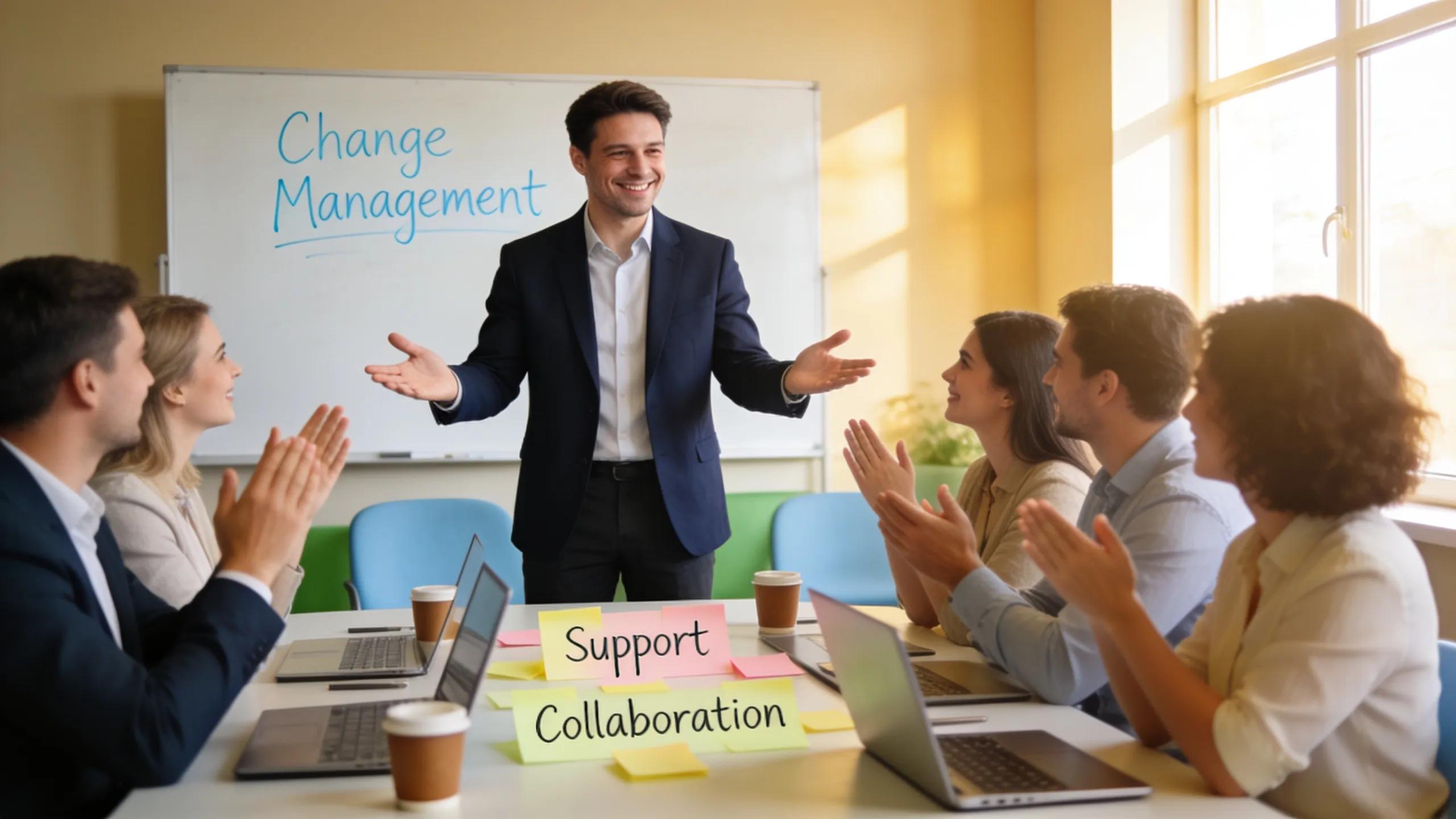
During crises, careful planning and human-centered support keep teams focused. Consider these core approaches:
- Critical Communication Practices: Deliver timely, clear updates and prioritize two-way channels so people feel informed and heard.
- Training and Development: Offer just-in-time skill-building that addresses immediate needs and reduces role ambiguity during stress.
- Holistic Support Systems: Pair practical resources with emotional support—coaching, counseling, and peer networks—to sustain performance and well-being.
Combining clear communication, targeted skills training, and strong support systems minimizes disruption and preserves productivity under pressure.
Which Techniques Support Effective Change Communication and Employee Engagement?
Effective communication and engagement make transitions smoother and more sustainable. Useful techniques include:
- Regular Feedback Sessions: Create predictable forums for input so employees can surface concerns and contribute solutions.
- Open Dialogue Culture: Normalize honest conversation and constructive debate to strengthen buy-in and surface diverse ideas.
- Inclusive Decision-Making: Involve staff in choices that affect their work to increase ownership and reduce resistance.
When people feel heard and involved, they are more likely to support and sustain change.
How Can Leaders Anticipate and Mitigate Resistance in Organizational Change?
Resistance is natural—anticipate it and respond strategically with:
- Transparent Communication: Explain the rationale, expected impacts, and timelines to reduce uncertainty and build credibility.
- Targeted Training Sessions: Close skill gaps with focused learning that directly addresses new roles or tools.
- Empowering Teams: Give employees influence over implementation details so they see themselves as part of the solution.
Addressing concerns early and respectfully helps transitions proceed with less friction and stronger team cohesion.
How Can Leaders Build and Sustain Team Resilience Amid Uncertainty?
To sustain resilience, focus on structures and supports that reinforce adaptability:
- Promoting a Resilient Culture: Encourage curiosity, experimentation, and shared accountability so teams can adapt without fear.
- Mental Health Resources: Make counseling, stress-management tools, and time-off policies accessible to protect well-being.
- Encouraging Peer Support: Foster mentoring and peer networks so people can share coping strategies and practical advice.
These measures help maintain morale and performance when uncertainty persists.
What Are Best Practices for Enhancing Emotional Intelligence in Leadership During Change?

Build leaders’ emotional intelligence with deliberate practices:
- Emotional Intelligence Training Programs: Run workshops and coaching that strengthen empathy, active listening, and constructive feedback skills.
- Promoting Psychological Safety: Create environments where people can speak up without fear of retribution.
- Mindfulness Practices: Integrate simple mindfulness and reflection exercises to improve focus and emotional regulation.
Leaders who practice these habits are better equipped to guide teams through stress and uncertainty.
Which Approaches Strengthen Team Adaptability and Performance Under Stress?
To boost adaptability and performance under pressure, invest in these areas:
- Effective Communication Practices: Keep messages clear, concise, and frequent to reduce confusion and speed decisions.
- Supportive Training Programs: Build resilience through scenario-based training and cross-functional skill development.
- Resource Availability: Ensure teams have the tools, time, and authority they need to act decisively.
These investments help teams stay productive and composed when stakes are high.
Who Are Expert Keynote Speakers Specialized in Adaptive Leadership and Managing Change?
Keynote speakers with deep experience in change management can ignite momentum, share practical frameworks, and provide real-world examples that resonate with leaders and teams. The right speaker translates theory into actionable next steps tailored to your organization’s context.
- Chris Dyer – Moments That Matter: See, Shape, and Scale What Counts
2. Sara Ross – The Excellence Multiplier : Activating the Three Vital Forces that Elevate Leadership and Collectively Bring Out the Best in Others
3. Ty Bennett – Partnership is the New Leadership
4. Stacey Hanke – The Language of Leadership : Elevating Impact, Influence and Connection
How Do Speaker Profiles Align With Corporate and Association Event Objectives?
When choosing a speaker, match their expertise to your outcomes—whether that’s shifting culture, upskilling leaders, or accelerating transformation. The best speakers offer tangible takeaways and case studies that align with both corporate goals and nonprofit missions.
What Are Emerging Trends in Leadership Thought Relevant to 2026 Events?
Emerging leadership trends prioritize adaptability, emotional intelligence, and hybrid work resilience. Leaders who blend strategic agility with strong human-centered skills will lead the most successful organizations. Staying current on these trends helps event planners choose speakers who prepare audiences for the next wave of challenges.
Call or text Neal Topper at (720)498-3275 or email neal@infinitespeakers.com to schedule a discovery call to learn more about your organization and discuss Keynote Speaker ideas and recommendations.